Braces vs Clear Aligners: Which Is Better for Your Smile?
A comprehensive, medically balanced comparison between fixed orthodontic braces and removable clear aligners to help you make an informed decision about your orthodontic journey.

Dr. Siddharth Phadkule
Lead Orthodontist & Dentofacial Orthopedics Specialist · BDS, MDS (Orthodontics) · Mini Residency — South Korea
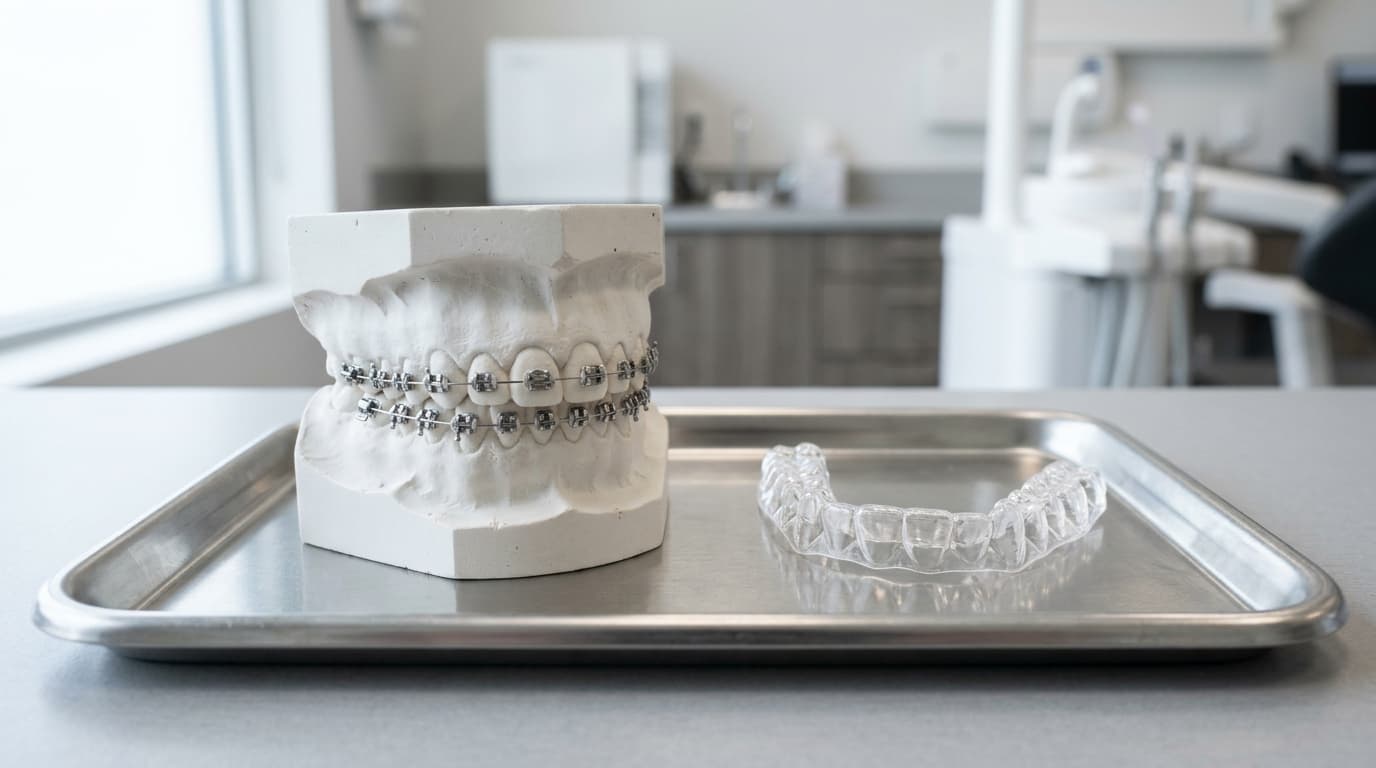
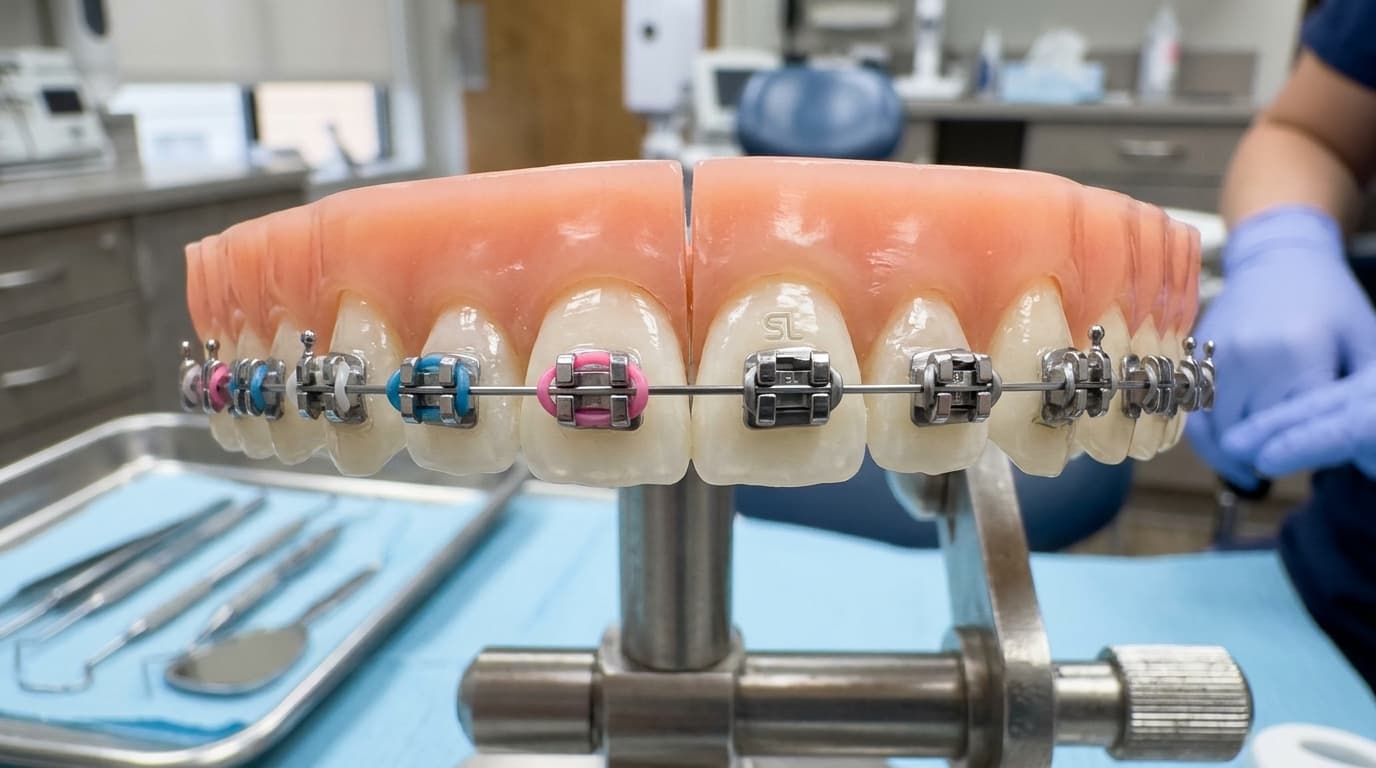
Plaster orthodontic model fitted with braces positioned beside a transparent clear aligner tray on a medical tray
Table of Contents
- 01.Introduction: Two Modern Paths to Alignment
- 02.What Are Fixed Braces?
- 03.What Are Clear Aligners?
- 04.Appearance & Visibility
- 05.Comfort & Daily Adjustment Period
- 06.Eating, Drinking & Dietary Rules
- 07.Oral Hygiene & Cleaning Routine
- 08.Compliance & The 22-Hour Wear Rule
- 09.Types of Dental Problems Each Treats
- 010.Treatment Duration & Investment
- 011.Comprehensive Comparison Matrix
- 012.How to Choose the Right Treatment
- 013.Frequently Asked Questions
- 014.Conclusion & Consultation
Introduction: Two Modern Paths to Alignment
Deciding to straighten your teeth is one of the most rewarding investments you can make in your oral health, facial harmony, and personal self-confidence. Today, patients have two predominant orthodontic pathways: time-tested fixed braces and modern removable clear aligners.
Both options have transformed millions of smiles worldwide. However, they approach orthodontic tooth movement from very different mechanical and lifestyle standpoints. Neither treatment is universally superior for every patient; instead, the ideal choice depends on your specific dental malocclusion, daily lifestyle habits, and commitment to wear protocols.
What Are Fixed Braces?
Continuous 24/7 orthodontic control with brackets and archwires
Fixed braces consist of small brackets (metal, ceramic, or self-ligating) bonded directly to each tooth enamel surface. A flexible nickel-titanium or stainless steel archwire runs across the arch, secured inside each bracket slot. By continuously applying calculated, three-dimensional forces, braces guide both the visible dental crown and the underlying tooth root into precise anatomical alignment.
Because braces remain attached to your teeth throughout treatment, they work 24 hours a day, 7 days a week, without requiring patient discipline to put them on or take them off.
What Are Clear Aligners?
Custom 3D-engineered removable thermoplastic aligner series
Clear aligners are custom-fabricated series of transparent, medical-grade polyurethane trays designed using advanced 3D digital intraoral scans. Each aligner tray is engineered to apply targeted micro-forces to specific teeth, guiding them fraction of a millimeter at a time.
Patients wear each set of trays for approximately 7 to 14 days before advancing to the next tray in the prescribed sequence. Tooth-colored composite attachments (tiny aesthetic bumps) are often placed on select teeth to provide purchase points for complex rotations and root movements.
Appearance & Visibility
Aesthetic footprints in professional and social settings
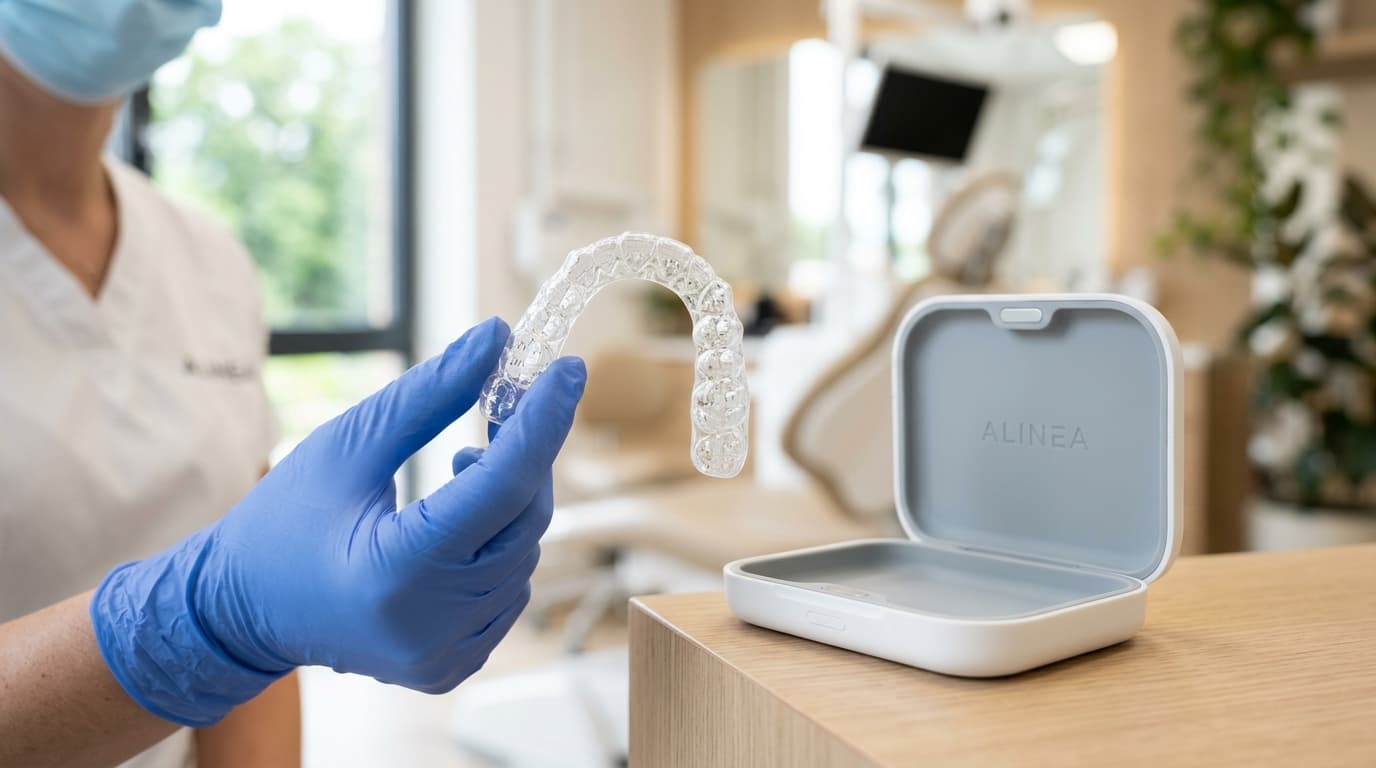
Visibility is often the primary factor that draws adult and teenage patients toward clear aligners. Made from crystal-clear, BPA-free medical plastic, aligner trays fit snugly over the dental arch and are virtually unnoticeable during ordinary social interactions and photography.
Fixed metal braces are visibly prominent on the front teeth, though many younger patients view them as a fun, customizable accessory with colorful ties. For patients requiring fixed appliances who desire discretion, ceramic braces offer tooth-colored brackets that blend naturally with enamel.
Comfort & Daily Adjustment Period
Tissue adaptation and managing initial pressure
With fixed braces, the protruding brackets and wire ends can occasionally rub against the sensitive inner lining of the cheeks and lips, particularly during the first two weeks until soft tissues develop natural tolerance. Orthodontic relief wax is commonly used to cushion brackets.
Clear aligners have smooth, laser-trimmed edges that contour along the gumline, significantly reducing soft-tissue chafing or cheek abrasions. However, when switching to a fresh aligner tray, patients routinely experience a tight, pressurized sensation across their teeth for the first 24 to 48 hours—a natural confirmation that active orthodontic force is moving the teeth.
Eating, Drinking & Dietary Rules
Understanding the dietary contrast between fixed and removable systems
Dietary flexibility is one of the most stark practical contrasts between the two treatments:
With fixed braces, patients must avoid sticky foods (like chewing gum, caramel, and hard candies) and hard, crunchy items (like whole raw apples, nuts, hard crusts, and popcorn kernels) that can bend archwires or dislodge bonded brackets.
With clear aligners, there are zero food restrictions because you completely remove the trays prior to eating meals or snacks. You can continue enjoying your regular diet without fear of breaking brackets.
However, there is an essential drinking rule: aligners must be removed for anything other than plain cool water. Drinking hot beverages while wearing aligners can warp the thermoplastic material, while sugary, colored, or acidic drinks (such as tea, coffee, soda, or juice) seep beneath the trays, bathing tooth enamel in sugar and acid, leading to rapid staining and decay.
Aligner Drinking Rule
Only drink plain, cool water while wearing clear aligners. Remove your trays before consuming tea, coffee, juices, or food, and brush your teeth before reinserting the aligners to prevent tooth decay and tray discoloration.
Oral Hygiene & Cleaning Routine
Daily brushing and flossing routines
Braces require meticulous, deliberate cleaning. Plaque easily accumulates around brackets, under archwires, and along the gumline. Patients must use specialized orthodontic toothbrushes, interdental proxy brushes, and floss threaders or water flossers after every meal to prevent decalcification (white spot lesions).
Clear aligners allow you to maintain your normal oral hygiene routine. You simply remove the trays to brush and floss your teeth normally. The aligners themselves are cleaned separately with a soft toothbrush, lukewarm water, or specialized effervescent cleaning crystals.
Compliance & The 22-Hour Wear Rule
The single biggest success factor for aligner therapy
While the removable nature of clear aligners offers immense convenience, it also represents their greatest potential clinical vulnerability.
Clear aligners must be worn diligently for 20 to 22 hours every single day, without exception. They should only be removed for eating, drinking non-water beverages, and brushing teeth. If aligners are left out for extended hours, teeth begin drifting back, aligners stop tracking accurately, and treatment timelines become significantly delayed.
Fixed braces, by contrast, are non-removable. They work continuously regardless of patient forgetfulness, making them a foolproof choice for patients who might struggle with the self-discipline needed for aligner wear.
Medical Compliance Fact
Clear aligners require 20 to 22 hours of daily wear. Inconsistent wear is the leading cause of aligner tracking failure and extended treatment times. If you anticipate difficulty keeping trays in for 22 hours daily, fixed braces may be the more reliable path.
Types of Dental Problems Each Treats
Clinical indications and complexity limitations
While clear aligner technology has advanced dramatically, certain complex orthodontic conditions remain more reliably and efficiently treated with fixed braces:
Braces excel at: severe crowding requiring premolar extractions, major skeletal bite discrepancies, impacted teeth (such as canines trapped in the palate), significant vertical discrepancies (severe open or deep bites), and extreme tooth rotations.
Clear aligners excel at: mild-to-moderate crowding, spacing and gaps, aesthetic smile alignment, orthodontic relapse (patients who had braces earlier in life and forgot retainers), and cases where gentle, controlled dental tipping is primary.
During your diagnostic assessment, an orthodontist will examine whether your malocclusion falls within the predictable treatment boundaries of clear aligners.
Treatment Duration & Investment
Comparing timelines and financial requirements
When patient compliance is 100%, treatment duration for mild-to-moderate malocclusions is remarkably comparable between braces and clear aligners—typically ranging between 12 and 18 months.
Financial investment varies based on case complexity and appliance technology. Traditional metal braces generally represent the most cost-effective solution. Clear aligners represent a premium aesthetic choice due to advanced proprietary digital software, 3D printing workflows, and laboratory fabrication of dozens of custom trays.
Comprehensive Comparison Matrix
Side-by-side evaluation across 8 dimensions
Review this comprehensive breakdown to evaluate which system best matches your personal priorities:
| Category | Fixed Braces | Clear Aligners |
|---|---|---|
| Visibility | Noticeable metal or discreet ceramic | Nearly invisible transparent plastic |
| Removability | Fixed 24/7; removed only by orthodontist | Removable by patient for meals and hygiene |
| Daily Wear Requirement | Continuous 24 hours daily | Strict 20 to 22 hours daily compliance required |
| Dietary Restrictions | Must avoid sticky, crunchy, and hard foods | No food restrictions (removed while eating) |
| Oral Hygiene | Requires interdental brushes and threaders | Normal brushing and flossing (trays removed) |
| Soft Tissue Comfort | Cheek wax may be needed initially | Smooth plastic edges; minimal soft-tissue irritation |
| Complex Case Versatility | Highest capability for severe skeletal/bite issues | Ideal for mild to moderate crowding/spacing |
| Risk of Losing Appliance | None (bonded directly to teeth) | Requires discipline to always store in carrying case |
How to Choose the Right Treatment
A personalized decision guided by clinical evaluation
To choose between braces and clear aligners, ask yourself three essential lifestyle and clinical questions:
1. Can I commit to wearing aligners 22 hours every single day, including at work, school, and social events?
2. Does my clinical malocclusion require the intricate root torque and vertical pull of fixed brackets, or is it suitable for clear aligner mechanics?
3. Are discreet aesthetics my absolute top priority, or am I comfortable with the look of modern braces?
Conclusion & Consultation
Both fixed braces and clear aligners are capable of producing exceptional, long-lasting smile transformations. The key to clinical success lies in choosing the appliance that matches your specific bite anatomy and your personal daily routine.
At Latur Dental Clinic & Orthodontic Centre, Dr. Siddharth Phadkule utilizes digital 3D treatment planning to evaluate your teeth and walk you through transparent, pressure-free options so you can choose with complete confidence.
Educational Information Disclaimer
This article is written for educational and informational purposes only and does not constitute a personal medical or dental diagnosis. Individual orthodontic suitability, biology, and treatment plans can only be established through an in-person clinical examination, dental X-rays, and diagnostic records by a qualified dental professional.
Frequently Asked Questions
Ready to Discuss Your Smile Goals?
Book an in-person consultation with Dr. Siddharth Phadkule at Latur Dental Clinic & Orthodontic Centre. We will walk you through your options with complete transparency.
Related Articles & Guides
 Braces Guide
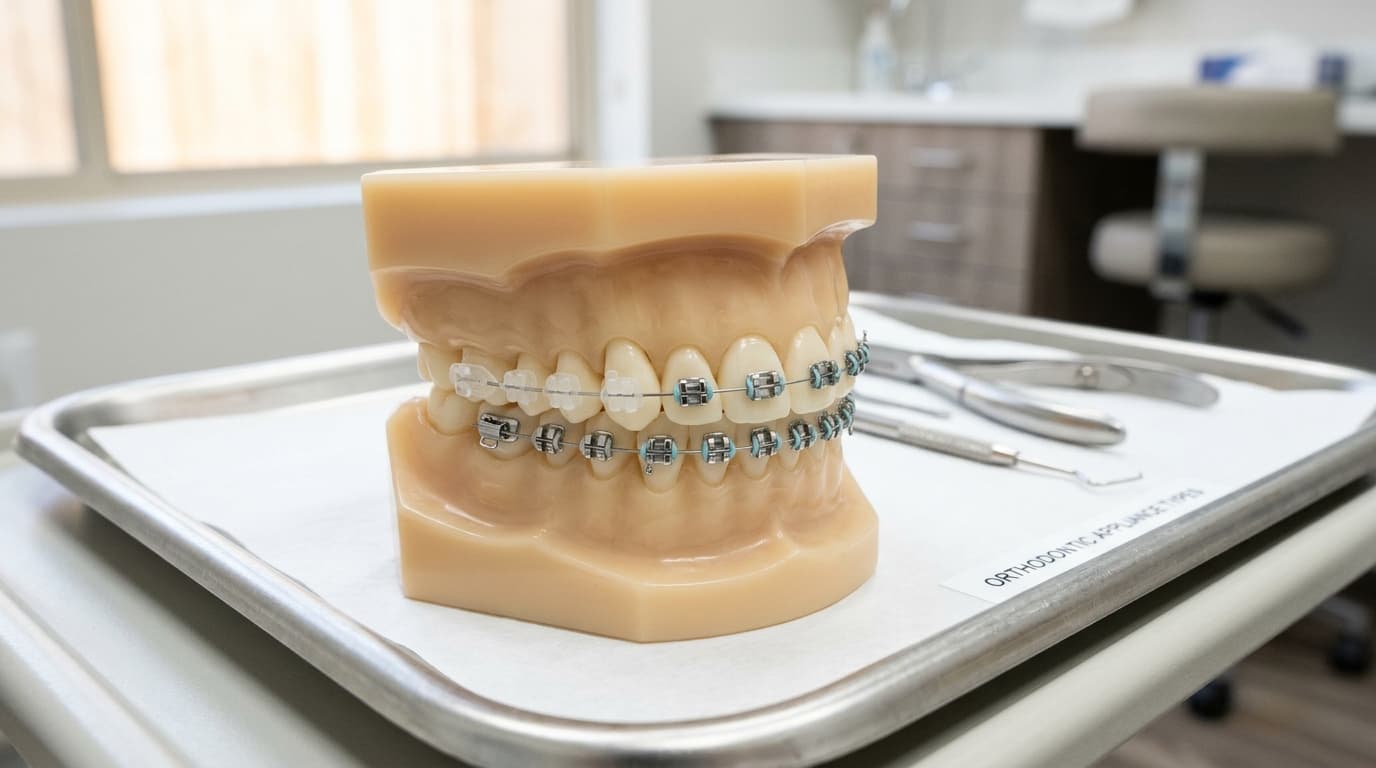
Different Types of Braces: Which Option Is Right for You?
From traditional metal and discreet ceramic brackets to modern self-ligating and lingual systems, learn how different braces work to help you choose the ideal orthodontic treatment.
 Braces Comparison
Traditional Braces vs Self-Ligating Braces: What's the Difference?
Examine how bracket mechanisms, archwire retention, chair-side adjustments, oral hygiene, and treatment biology compare between conventional braces and self-ligating systems.
 Dental Care in Latur
Why Choose Latur Dental Clinic for Your Dental Care?
Explore why patients trust Latur Dental Clinic & Orthodontic Centre for specialist orthodontics, clear aligners, pain-free root canals, implants, and complete family dentistry in Latur.